The Pontifical Commission for the Protection of Minors has concluded its October Plenary Assembly, which focused on survivor participation, safeguarding in consecrated life, and protecting children online. Source: Vatican News.
“Safeguarding credibility depends on the ability to translate commitments into measurable actions” was the shared principle reaffirmed by members of the commission, according to a media release issued on Monday.
Meeting in Rome from September 28 to October 2, the commission focused on accountability, the involvement of victims and survivors, and strengthening protection structures throughout the global Church.
Members examined the implementation of the commission’s new statutes, regional priorities, and the sustainability of safeguarding initiatives worldwide.
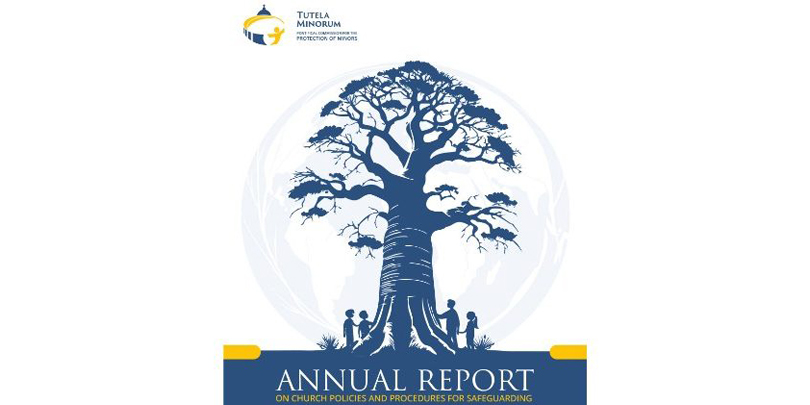
The assembly reviewed the forthcoming third annual report on the Churches’ protection policies and procedures and approved by referendum the Instrumentum laboris, or working document, for the fourth annual report, due for publication in 2027.
The press release stressed that “the meaningful participation of victims and survivors in the annual report process remains essential to understanding institutional responses to abuse and shaping policies capable of preventing its recurrence.”
Members also reviewed the next phase of the commission’s finalised Universal Safeguarding Framework, including plans for its dissemination and implementation.
Discussions centred on making the guidelines accessible and building on existing Church and regional structures to support their application locally.
A significant part of the assembly’s discussions concerned protection within religious communities and the specific experiences of women religious.
Members examined “the abuse of power, of conscience, of spiritual authority and sexual abuse,” alongside structural and cultural barriers that may discourage disclosure and complicate effective responses.
The commission will host its second annual meeting on the prevention of abuse in consecrated life in Rome from December 9 to 11.
The assembly also addressed vulnerability, including situations shaped by relationships, circumstances, and power imbalances affecting human dignity.
Building on the work of its online abuse study group, and inspired by Pope Leo’s encyclical Magnifica Humanitas, the commission reinforced its commitment to addressing technology-facilitated exploitation and child abuse.
Members examined how digital technologies, artificial intelligence, and online platforms are used in the pastoral care of children and adolescents, seeking to understand the risks and equip parents, parishes, and Catholic institutions to respond.
FULL STORY
Protection of Minors Commission sets priorities for next phase of work (Vatican News)