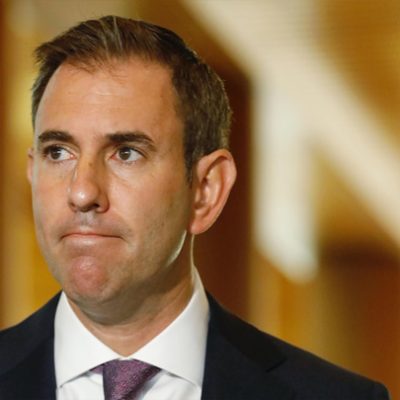
Labor faces backlash over how it will define “permanent” disability and “functionality”, with warnings it will be “impossible” for one eligibility tool to be rolled out across more than 100 disability types. Source: The Australian.
In the face of mounting pressure to clarify how the Government plans to remove 160,000 participants from the scheme and reduce its growth from 10 to 2 per cent, NDIS and Health Minister Mark Butler “reluctantly” said he expected those with more “obvious” conditions would face less rigorous assessment.
And while stressing Labor would not take a “diagnosis to diagnosis” approach in shifting people off the NDIS, he said the 320,000 people on it with autism make up a “reasonably substantial part” of those to be pushed into mainstream services by 2028.
“We’re going to take a functional capacity approach, it really won’t matter what condition or disability you have. You will be assessed through a program or through an assessment process that applies equally across the scheme,” Mr Butler told Sky News on Sunday.
“But obviously, given that people with autism are such a big part of the scheme’s population, you’d expect them to be a reasonably substantial part of that 160,000. But there will be representation, probably pretty proportional.”
Mr Butler’s announcement on Wednesday that Labor would seek more than $30 billion worth of savings through landmark NDIS reforms was met with “fear” from advocates who said any change to eligibility threw up questions over what would constitute “permanent” disability and access to the scheme.
“One of the concerns we have is how things like the concept of significant and permanent are going to be applied,” People with Disability Australia acting chief executive Megan Spindler-Smith said.
NDIS architect and participant Cain Beckett said the idea of “obvious” disabilities being treated differently to less obvious conditions was problematic when international figures showed about 88 per cent of disabilities were “not visible”.
Mr Butler said the new assessment for eligibility, due to begin in April next year, would look at participants’ abilities to function in daily life rather than allowing a diagnosis to automatically grant NDIS access.
FULL STORY
NDIS reforms spark fears over new definition of ‘permanent’ disability (By Sarah Ison, The Australian)