Australia’s mental health system cannot rely on crisis response alone; it also needs skilled counsellors who can provide early support, a counselling academic says. Source: The Catholic Leader.
About 42.9 per cent of Australians aged 16 to 85 had experienced a mental disorder in their lifetime, according to the National Study of Mental Health and Wellbeing by the Australian Bureau of Statistics.
Conducted between 2020 and 2022, the study estimated that 647,900 Australians experienced a 12-month substance use disorder.
University of Notre Dame Australia associate program co-ordinator and counselling lecturer Mark Holdsworth said there was a need to dispel some of the myths around addiction.
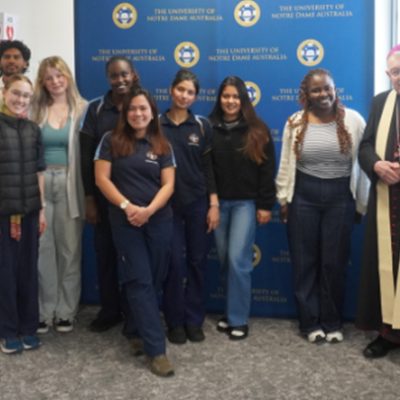
It comes as the Catholic university expands its Bachelor and Master of Counselling programs to focus on a practice-led curriculum while challenging stigma and fostering empathy in the next generation of the workforce.
“We’ve seen a moralistic response to addiction, as if it’s some fault of willpower. Often society responds as if this is the individual’s responsibility,” Mr Holdsworth said.
“Instead of it being framed as a moral issue, we talk about it as a biopsychosocial phenomenon that’s highly complex.
“It’s about bringing people back in touch with the concept of universal human dignity and being able to address people without that level of morality.”
There was a high demand for addiction counselling alongside relationships, intimacy and general levels of distress, Mr Holdsworth said.
There is a 32 per cent shortfall in mental health workers compared to national targets and the gap is projected to grow to 42 per cent by 2030 if left unaddressed.
Young Australians were presenting with complex and intersecting pressures, including anxiety, loneliness, social media exposure, identity development, relationship stress, study and work insecurity and concerns about the future, he said.
“However, this is not only a youth issue,” Mr Holdsworth said.
“Across the lifespan, people are navigating the psychological impact of relationship strain, workplace stress, financial insecurity, grief, addiction, illness and social disconnection.”
In many cases, people were looking for early support.
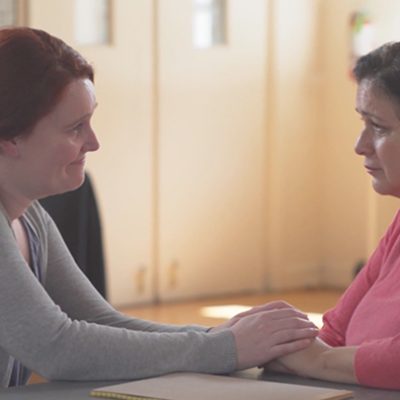
“This is why counsellors have such an important role in the mental health landscape,” he said.
“At their best, counsellors meet people before distress becomes crisis.
“They offer skilled and compassionate support that helps people feel heard, make sense of their experience, strengthen relationships and reconnect with hope.”
FULL STORY
Building a counselling workforce grounded in compassion not judgement (By Kymberlee Gomes, The Catholic Leader)