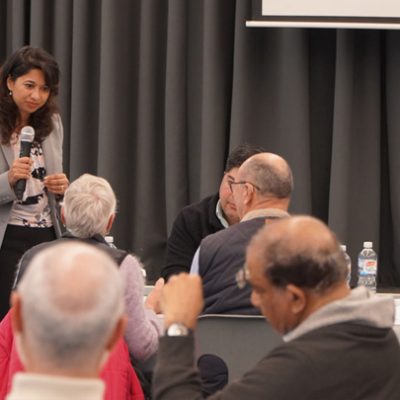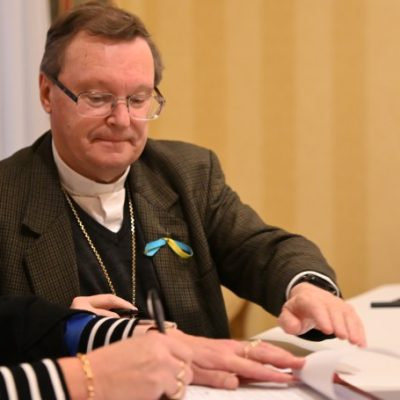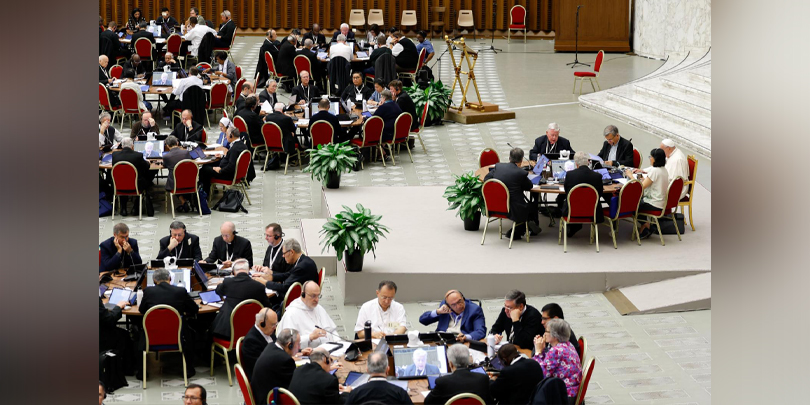
The General Secretariat of the Synod has published the final report of the Canonical Commission, which explicitly endorses several proposals to amend the Code of Canon Law related to the participation of laity in the life and governance of the Church. Source: EWTN News.
Specifically, the document supports changes to canons concerning the ability of lay faithful to exercise “offices, roles, and ministries within the Church for which they are qualified and competent, including in the realm of ecclesiastical governance”.
The text, released on Wednesday, is not binding and must now be examined by Pope Leo XIV. It is one of the reports prepared by the 10 study groups created by Pope Francis in 2024 as part of the Synod on Synodality. These groups are dissolved once their work has been completed and published.
The commission tasked with studying the reforms was coordinated by Archbishop Filippo Iannone, prefect of the Dicastery for Bishops and president of the Pontifical Commission for Latin America, and included prominent experts in canon law.
The commission considers that a “profound reform of the canonical legal system” is not necessary in order to implement the ideas that emerged from the synodal process.
According to the report, “the Church’s current legal system already provides adequate provisions for greater recognition and designation of lay persons to assume roles and functions of ecclesial co-responsibility together with the pastors.”
Nevertheless, it acknowledges that these provisions are “often overlooked” and, in some cases, “require greater normative affirmation to be more practical and effective”.
For this reason, the proposals seek to adapt certain aspects of canon law to the conclusions of the Synod, especially regarding the participation of laypeople in the Church’s mission.
The document also insists that the synodal process “does not diminish the decision-making authority of the bishop, the college of bishops, or the pope, but integrates the contribution of the People of God, giving the synodal act a truly communal character.”
Among the most significant proposals is the revision of several canons to strengthen the synodal dimension of particular councils, diocesan synods, and pastoral councils.
If approved, these bodies would no longer be structured solely according to a consultative logic but would move toward stronger forms of power in decision-making.
The proposals also seek to strengthen the role of bishops’ conferences and promote greater decentralisation.
FULL STORY
Synod proposes reforming canon law to give greater weight to laity, women in the Church (By Victorian Cardiel, EWTN News)