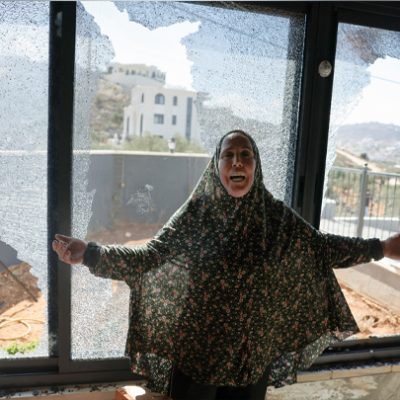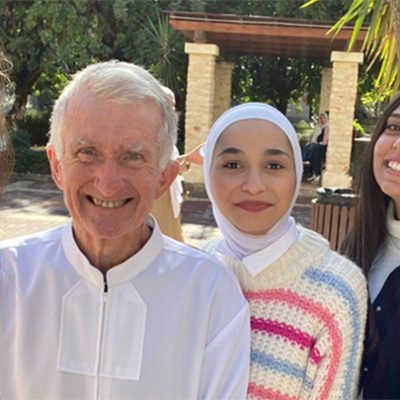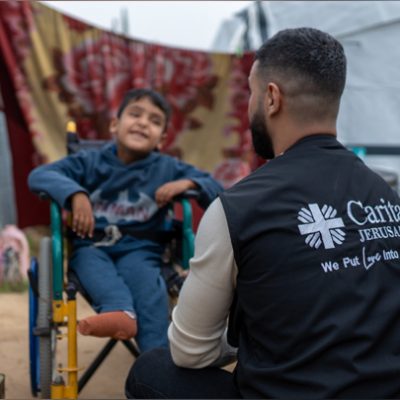
A fragile ceasefire agreed to in mid‑April has brought only limited respite for civilians in Lebanon, where the humanitarian situation continues to deteriorate following weeks of intense hostilities. Source: Caritas Australia.
According to the Lebanese Ministry of Public Health, more than 2521 people have been killed and over 7800 injured since early March, while up to 1.2 million people were displaced at the peak of the fighting.
Although some families have begun returning home since the ceasefire was announced, displacement remains high, with over one million people still unable to return safely due to ongoing insecurity, damaged infrastructure and limited access to essential services.
Caritas Lebanon and Caritas Middle East and North Africa have reported that “the situation remains deeply fragile, as previous ceasefire agreements have been undermined by continued hostilities and Israeli bombardments in South Lebanon. Essential services are under severe strain, food insecurity and poverty have reached unprecedented levels.”
Access to healthcare has emerged as a critical concern. As of late April, six hospitals have closed and 15 others have been damaged, alongside the closure of 46 primary healthcare centres due to damage, severely limiting access to urgent medical care.
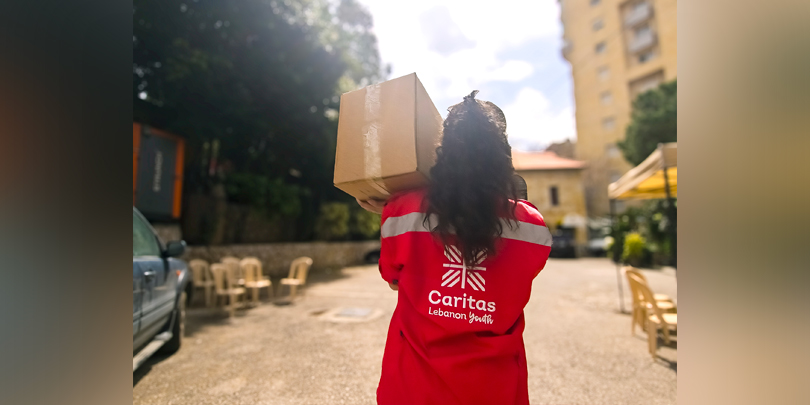
In response, Caritas Lebanon continues to deliver life‑saving assistance in some of the hardest‑to‑reach areas, working in coordination with relevant government and UN agencies.
Since the escalation, Caritas has organised seven humanitarian convoys to isolated southern villages, delivering food, water, medical supplies, hygiene kits and fuel.
As part of this response, Caritas Lebanon has inaugurated a new urgent care unit in Ain Ebel, in partnership with the Ministry of Public Health and Ain Ebel Hospital.
The facility provides round‑the‑clock primary healthcare, including emergency wound care, burn management, respiratory treatment, hydration services and infection control, ensuring a sustained medical presence for vulnerable communities in southern Lebanon.
Despite these efforts, humanitarian organisations warn that needs continue to outpace available resources amid funding constraints and ongoing insecurity.
Political leaders have urged civilians to remain cautious and delay returning home, as the risk of renewed violence remains high.
Caritas Australia joins Caritas Lebanon and its partners in continuing to call for a respected and sustained ceasefire and the protection of civilians.
Details: Caritas Australia’s Lebanon Crisis Appeal.
FULL STORY
Humanitarian crisis in Lebanon deepening despite fragile ceasefire (Caritas Australia)