Catholic Social Services Australia acknowledged the Reserve Bank’s decision yesterday to lift the cash rate, recognising the financial strain this places on many Australians, particularly mortgage holders.
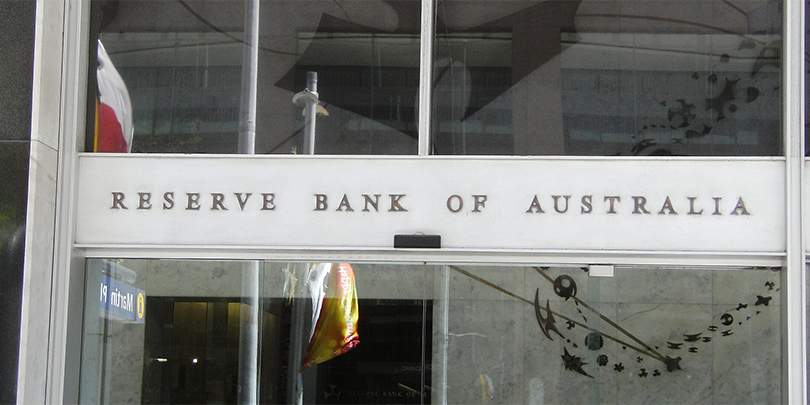
The Reserve Bank yesterday lifted interest rates to their highest level in 15 years. It has increased rates by 0.25 percentage points, which lifts the cash rate target to 4.6 per cent, up from 4.35 per cent.
However, CSSA chief executive Jerry Nockles stressed that inflation remained the “cruel and relentless crushing weight bearing down on disadvantaged households every single day”.
“While rising interest rates make mortgage repayments harder, it is inflation that is the daily, grinding burden for so many families,” Dr Nockles said.
“Inflation is not just a number on a page – it is the relentless erosion of purchasing power that hits the most vulnerable hardest, forcing choices between essentials like food, electricity, and rent. This crushing weight is felt unevenly across our community, deepening existing inequities.”
Recent data confirms that the rising cost-of-living impacts Australians unevenly, with low-income households and those reliant on fixed incomes bearing the brunt.
Dr Nockles said this reality is deeply concerning from the perspective of Catholic Social Teaching, which calls people to uphold the dignity of every person and to prioritise the needs of the poor and marginalised.
“Economic decisions must be measured by their impact on human dignity and the common good,” Dr Nockles said.
“We see firsthand how inflation strips away the basic security that every person deserves. It is a relentless burden that no one should have to bear alone.”
Catholic social service providers across the country report a growing number of mortgage-holders seeking assistance, yet Dr Nockles said the struggle extends far beyond home ownership.
“Mortgage stress is visible and urgent, but inflation’s impact is far broader – it is the daily struggle to put food on the table, to keep the lights on, and to provide shelter and safety for families. This is the reality for many who do not own homes but are nonetheless burdened by soaring prices.”
Dr Nockles acknowledged Reserve Bank Governor Michele Bullock’s remarks highlighting that inflationary pressures are being driven not only by domestic capacity constraints but also by external factors such as energy prices and geopolitical tensions.
As Australia approaches state elections in Victoria and New South Wales, CSSA called on both state and federal governments to carefully consider the weight of inflation when shaping expenditure and fiscal policy.
FULL STORY