The International Theological Commission has issued a new document asserting that “the life of the human being is vocation”, while warning that scientific and technological advances must be accompanied by an increase in responsibility, ensuring that progress benefits the person. Source: EWTN News.
The text, titled Quo vadis, humanitas? Thinking Christian anthropology in the face of some scenarios concerning the future of the human, was published on Wednesday and was drafted by the International Theological Commission.
The commission is chaired by Cardinal Víctor Manuel Fernández, prefect of the Vatican’s Dicastery for the Doctrine of the Faith.
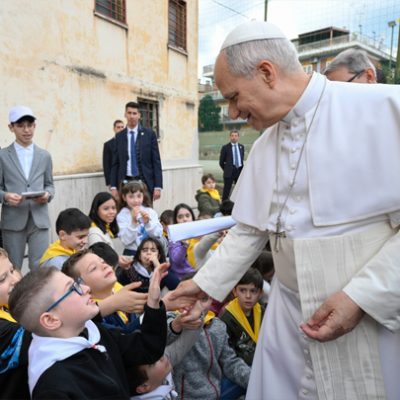
The document was approved by Pope Leo XIV. It was released in Italian, with other languages expected to be added.
“In this moment of the 21st century, the human family finds itself facing questions so radical that they even threaten its existence as we have known it up to now,” the document says, adding that human beings today are exposed to risks “never imagined before”.
Addressing AI, the commission cautions that forms of knowledge and calculation detached from embodied, situated human intelligence – and from relational knowledge passed down through generations via education – can become a threat to the true good of humanity.
On social media, the document says online platforms can intensify “strong polarisations” among groups and can “tribalise” social exchange, fragmenting society into like-minded opinion blocs shaped by likes.
The commission also warns that social platforms can become “territory of loneliness, manipulation, exploitation, and violence”.
The document raises concerns about what it describes as a “gigantic religious marketplace” online, where a variety of “digital religions” could offer an à la carte spirituality driven by individual interests rather than real bonds or community belonging.
It also questions the genuinely ecclesial character of some Christian communication on social networks, particularly when it is used to inflame polemics, foster division, or damage reputations.
The commission reiterates that vocation is not only a theme for particular states of life in the Church but also is rooted in what a human person is.
It adds that in the West a “culture of non-vocation” is often encouraged, shaping contemporary anthropological challenges – especially in the education of the young.
The text says many young people are taught to view their future primarily through the lens of career choice, economic stability, or the satisfaction of certain needs, without openness to an ultimate meaning and the foundational relationships that shape identity and destiny.
In a final caution, the commission says societies — especially in the West — should avoid treating some animals, particularly pets, “almost like persons,” while also resisting the opposite temptation: reducing human beings to animals.
FULL STORY
International Theological Commission: Human life is a vocation (By Marco Mancini, EWTN News)