Four years after Poles welcomed millions of Ukrainians fleeing Russia’s full-scale invasion, Catholic leaders from both countries are urging their peoples not to let historical disputes undo that solidarity. Source: OSV News.
Cardinals from both countries, attending the June consistory with Pope Leo XIV, warned in a joint statement that the greatest danger may not be disagreement itself, but the language used to express it.
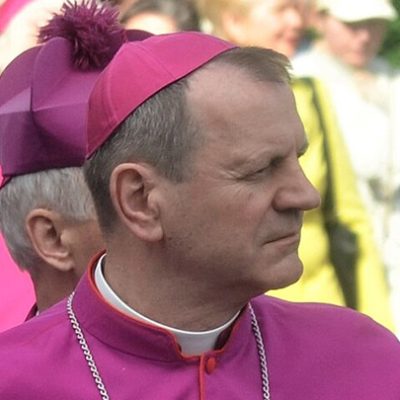
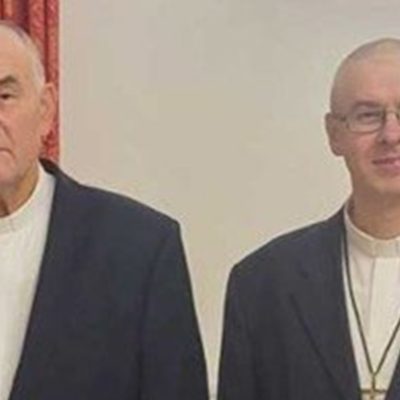
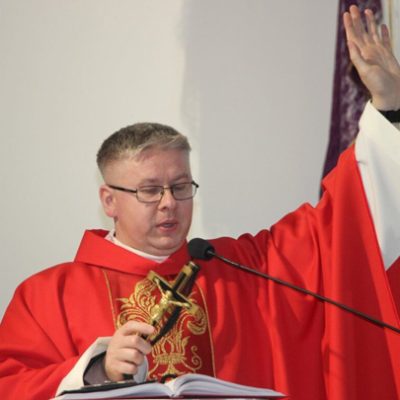
Cardinal Mykola Bychok and Polish prelates Cardinal Konrad Krajewski, Cardinal Kazimierz Nycz and Cardinal Grzegorz Rys, together with Major Archbishop Sviatoslav Shevchuk – head of the Ukrainian Greek Catholic Church – issued a joint appeal urging both peoples not to allow old wounds to become new divisions.
In a June 29 statement, they called for a “disarmament of language on both sides” and encouraged both nations to continue the path of reconciliation begun under St John Paul II.
They said they spoke up during the consistory, feeling “invited to take special responsibility for the community of the Church and to support the ministry of the Successor of St Peter”.
The appeal comes amid fresh political friction between Warsaw and Kyiv.
In June, Polish President Karol Nawrocki revoked the Order of the White Eagle previously awarded to Volodymyr Zelenskyy after the Ukrainian president approved naming a Ukrainian military unit in honour of the Ukrainian Insurgent Army, or UPA.
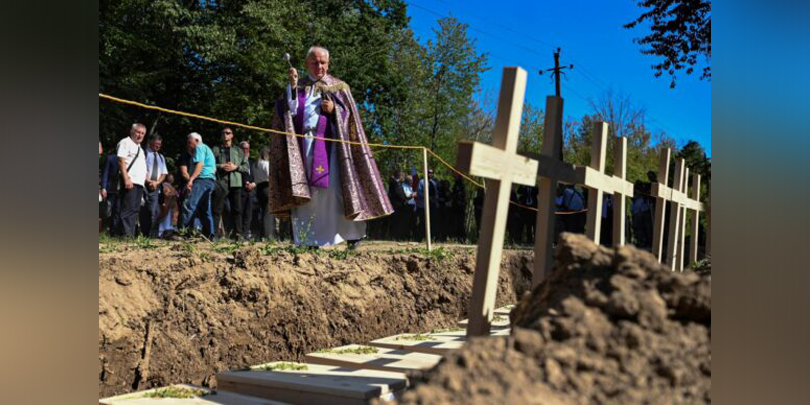
Polish-Ukrainian relations remain deeply marked by the violence that engulfed Volhynia and Eastern Galicia during World War II.
The Volhynia Slaughter remains the deepest historical conflict between Poles and Ukrainians. Between 1943 and 1945, in Volhynia and parts of Eastern Galicia, UPA carried out a campaign of ethnic cleansing against the region’s Polish population.
Historians estimate that about 100,000 Polish civilians were killed, many in brutal attacks on villages. About 10,000 Ukrainians also died in retaliatory violence carried out by Polish underground formations and civilians, although on a significantly smaller scale.
The memory of those events continues to influence politics and public opinion in both countries, even as modern Poland has become one of Ukraine’s strongest allies after Russia’s full-scale invasion in 2022, welcoming millions of refugees.
Against that backdrop, Church leaders argue that remembering history and preserving neighbourly relations should not become opposing goals.
FULL STORY
Polish, Ukrainian cardinals call for reconciliation amid historical tensions between nations (By Katarzyna Szalajko, OSV News)