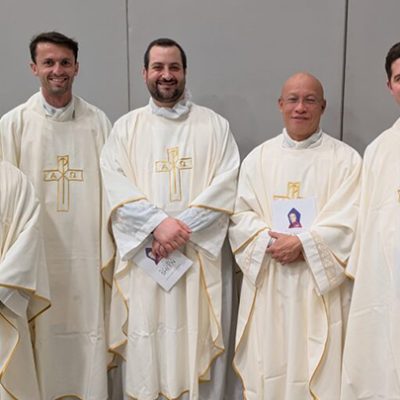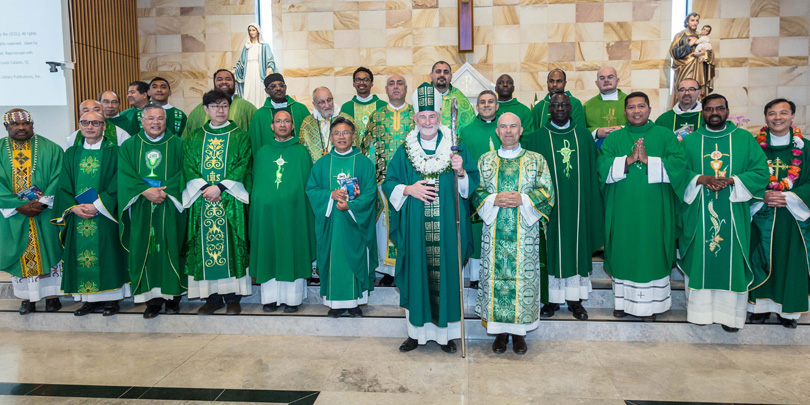
Brisbane Archdiocese is raising questions with the Australian Government over ministerial direction 119, which has seen international priests tumble to the bottom of visa processing queues. Source: The Catholic Leader.
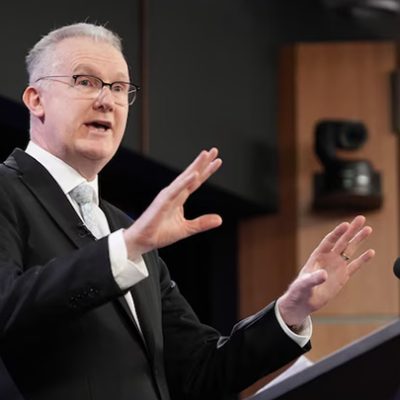
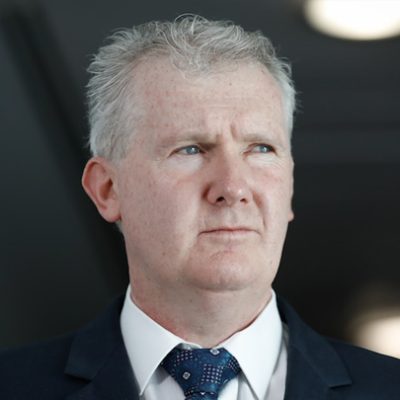
Immigration Minister Tony Burke signed the direction, which restructured how processing queues were managed across the 185,000-place permanent migration program.
About 70 per cent of these places were earmarked for skilled migrants.
Under the changes, the government prioritised onshore migrants across both permanent program streams – allocating 129,590 places onshore, while the remaining 55,110 offshore places prioritise skilled workers in designated target sectors.
“Minister of religion” was not included in any of the top priority sectors, so international priests applying from overseas automatically landed in the lowest tier.
“An onshore-focused program will support timely transitions to permanent residency for migrants already living, working and contributing to Australia, and further reduces the program’s impact on Net Overseas Migration,” the Department of Home Affairs website said.
Brisbane archdiocese government relations acting director Will Redmond told the Joint Standing Committee on Migration that nearly a quarter of priests serving local parishes were on sponsored visas.
He said they were not an “optional supplement” to Catholic ministry, but integral to meeting the needs of the community as local vocational pipelines could not keep up.
Mr Redmond asked the ministerial direction to be revoked and proper consultation undertaken, or alternatively, name religious workers as occupations for priority offshore processing.
“In 2023, a skilled visa (for a priest) could take about two weeks,” he said.
“Three months is now the fastest we see, while permanent visa nominations that once took four to seven weeks have extended beyond a year.”
The delay meant other processes like police checks and health assessments lapsed before visa applications were fully processed, he said.
In practice, it meant local parishes were stuck in limbo.
The Church, he said, took care of the cost of the priest – housing, private health cover, transport, full board and a weekly stipend – and priests on temporary visas drew on no public benefits.
Brisbane archdiocese’s concerns mirror a growing friction point across non-priority sectors, from regional farms to local hospitality venues, and the uncertainty of lengthy waits that paralysed decision making.
FULL STORY
International priests are vital but fall to the end of the visa queue under new rules, Brisbane archdiocese warns (By Joe Higgins, The Catholic Leader)