Cubans are turning to free community pharmacies from Catholic charities as medicines grow scarce in the Caribbean country, which is suffering from an economic crisis. Source: Crux.
Every Thursday and Sunday at noon, dozens of people gather outside an apartment building in Havana’s Vedado neighbourhood. Laura Mendoza comes downstairs, checks their names against a list and hands out medicine they requested through WhatsApp.
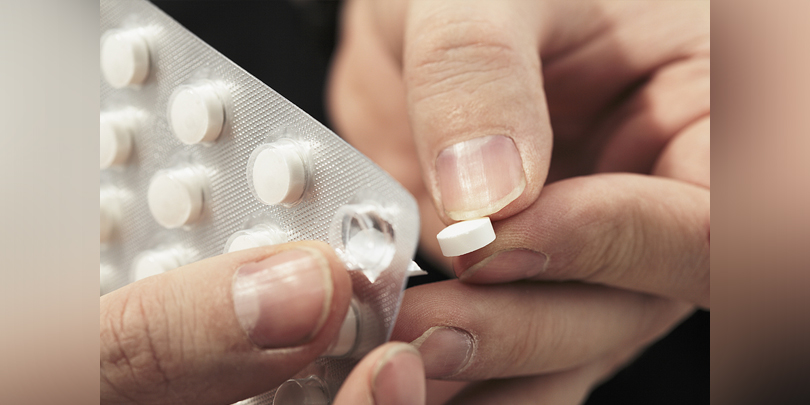
Antihistamines, diuretics, eye drops and antibiotics are among the drugs she distributes. She charges nothing.
Projects like Ms Mendoza’s, called “Medicine Is Not for Sale”, have become a lifeline for Cubans struggling to find increasingly scarce medications as the country’s economic crisis deepens, compounded by United States energy and financial restrictions imposed since January.
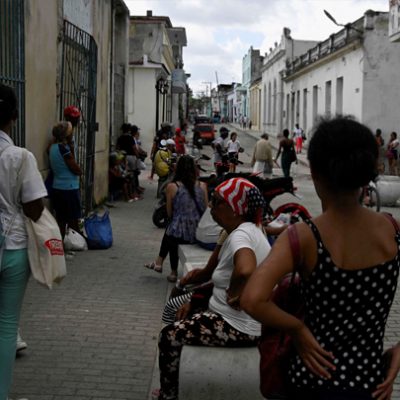
Online sellers, street vendors and WhatsApp and Telegram groups have also stepped in to fill gaps left by state pharmacies, which for decades were the main source of subsidised medicines.
The shortages have become so severe that Cuban authorities issued regulations in July allowing private pharmacies to operate – a historic change to the country’s state-run health system and part of broader economic reforms.
Until those pharmacies open, projects like Ms Mendoza’s act as a safety net.
Working with the Catholic charity Caritas, her initiative receives more than 13kgs of medicine each week from humanitarian groups in Canada and the United States, travellers carrying donations and local residents.
Volunteers sometimes deliver medicine to patients who cannot collect it themselves. But drugs requiring refrigeration, including some diabetes medications, and cancer treatments are particularly difficult to obtain. Patients also seek gauze, syringes and anaesthetics for use in poorly supplied hospitals.
Cuba’s Health Ministry lists 603 medicines in its basic drug program, but only slightly more than one-third are available. About 400 are produced by Cuban laboratories using imported raw materials.
Mayda Mauri Pérez, president of the state pharmaceutical company BioCubaFarma, said in June that about 300 of the 395 medicines the company was expected to supply had not been produced because of shortages of imported materials.
The situation is particularly acute in the central province of Ciego de Ávila, where authorities recently acknowledged that state pharmacies had only about 10 percent of the medicines on the basic list. Officials blamed supply and logistical problems, including fuel shortages.
Allowing private pharmacies is part of a package of 176 economic measures approved by Cuba’s Parliament in June to expand private enterprise and help address the country’s economic crisis.
FULL STORY
Cubans turn to free community pharmacies from Catholic Charities as medicines grow scarce (AP via Crux)