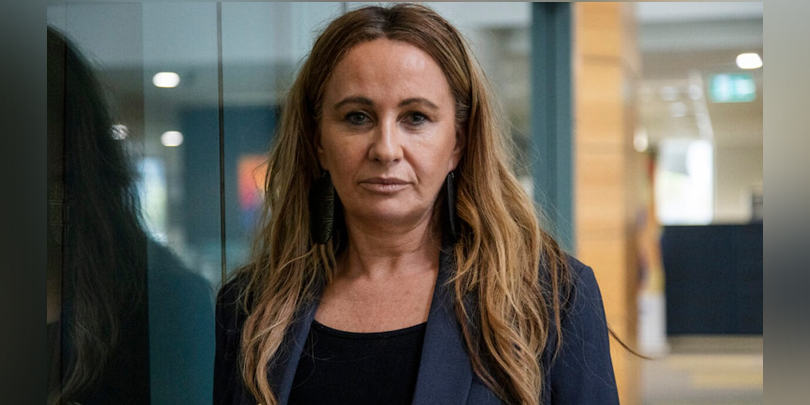
One of our great national shames – the forcible removal of Indigenous kids from their families – is still playing out across Australia, according to the first National Commissioner for Aboriginal Children and Young People. Source: Canberra Times.
Between one in three and one in 10 Indigenous children, now known as the Stolen Generations, were removed from their families between 1910 and 1970.
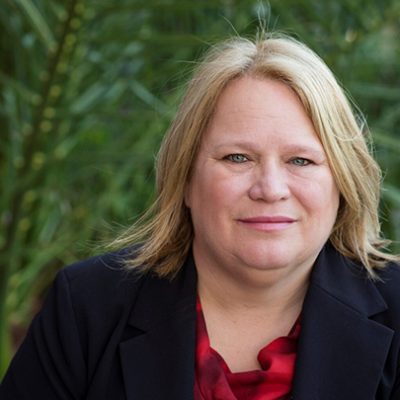
Despite Parliament apologising for the policies that allowed the systemic disconnection of Indigenous children from family and Country, Wurundjeri and Ngurai Illum Wurrung woman Sue-Anne Hunter said forcible removals never stopped.
“There are more Aboriginal and Torres Strait Islander children in care than at any time since these records began,” Ms Hunter said during her address to the National Press Club on Wednesday.
“Then it was missions, reserves and dormitories, ‘for their own good’. Now it is foster care and residential units, and it’s ‘in their best interests’.”
First Nations children are more than 10 times as likely to grow up in out-of-home care than non-Indigenous kids and 27 times more likely to be in youth detention, Ms Hunter said.
“The over-representation is ridiculous,” she said. “We know what happens. Why aren’t we intervening early?”
The statistics were well known, Ms Hunter said, but the problem lay in accountability, with issues of youth incarceration and child protection proclaimed as “state matters”.
Before taking on the role of national commissioner Ms Hunter worked in the family services sector, including at the peak body for Indigenous children, SNAICC, as well as at the Victorian Aboriginal Child Care Agency.
Most recently she was a commissioner and deputy chair of Victoria’s truth-telling mechanism, the Yoorrook Justice Commission.
Three years after the failed Voice to Parliament referendum, Ms Hunter said the conversation around a representative advisory body needed to be readdressed, so governments could best serve the needs of Indigenous communities, who know what works for their children and families.
“There’s a lack of political will to be able to do that,” she said. “All we wanted was to be asked. That’s the thing missing in this country.”
Ms Hunter said she hoped to elevate children’s voices in her work, while influencing policy, and monitoring government action.
FULL STORY
Indigenous kids champion decries care-to-custody crisis (By Keira Jenkins and Noah Seconb, AAP via Canberra Times)