A pile of bones uncovered in the yard of a Catholic church on Rottnest Island have been revealed to be Indigenous remains, likely associated with the island’s grim past as a detention centre for Aboriginal men and boys. Source: The Australian.
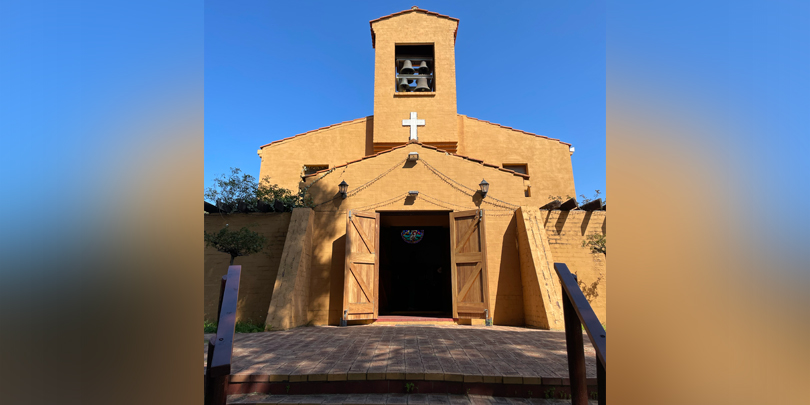
The remains were discovered last week as construction workers were upgrading a bus stop next to the Holy Trinity Church.
The discovery on Wednesday was immediately referred to police by the on-site Noongar cultural heritage monitor.
Cultural heritage monitors are required to attend any sites on Rottnest Island, also known as Wadjemup, which involve digging or ground disturbance due to the area’s historical significance.
Police arrived at the scene accompanied by a state anthropologist on Thursday, and forensic analysis resulted in the conclusion that the bones were “historical in nature and consistent with Indigenous ancestry”.
“WA Police have liaised with the Whadjuk Aboriginal Corporation (WAC) and the Rottnest Island Authority (RIA), who will assume ongoing management of the matter,” police said.
In a joint statement, WAC and the RIA said on Friday all works of the bus stop had ceased until further notice, and expressed “sincere regret for the deep distress this incident has caused to Aboriginal people”.
“RIA and WAC are working closely together to ensure that all appropriate cultural protocols are followed, and that respectful, culturally informed decisions are made regarding the protection and ongoing management of the site,” they said.
“RIA and WAC will continue to provide updates on this matter as further information becomes available.”
While Rottnest Island, which sits just offshore from Perth, is known for its easy-access tourism opportunities, friendly quokkas and beachside getaways, the island’s history as a prison for Aboriginal men and boys is a source of great pain for the Whadjuk Noongar people.
More than 370 unmarked graves of Aboriginal prisoners have been located on Rottnest Island, making it the single largest site of Indigenous deaths in custody anywhere in the country.
FULL STORY
Human bones found on Rottnest Island found to be historical remains of Indigenous person (By Jack Nivison, The Australian)