AI technologies offer significant benefits but must be carefully managed to mitigate novel risks that could cause significant harm, Catholic Health Australia has said in a position paper.
Artificial intelligence is transforming how care is delivered across Australia, with applications including scribes in emergency departments, AI-powered imaging in cancer diagnostics, predictive algorithms in surgical planning, and falls-prevention monitoring in residential aged care.
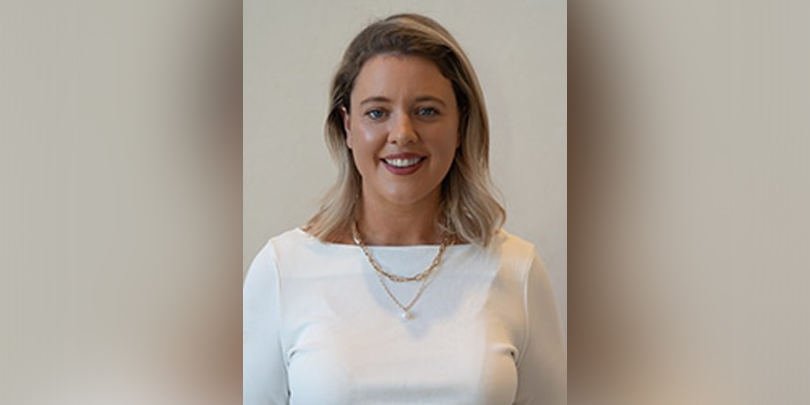
“AI has enormous potential to improve diagnostic accuracy, reduce administrative burden on clinicians, and expand access to care for underserved communities,” CHA Director of Mission Brigid Meney said.
“However, those benefits are not guaranteed unless health and aged care organisations put robust governance in place before deploying these tools,” Ms Meney said.
“The risks of AI include undermining the clinical encounter between patient and professional, the propagation of misinformation and errors or ‘hallucinations’ which can have severe consequences, ranging from misdiagnosis, to delayed treatment, adverse drug reactions, and inappropriate clinical decisions.”
CHA’s position paper also warned AI algorithms can also replicate and entrench biases in training data, producing worse outcomes for Aboriginal and Torres Strait Islander peoples, older Australians, people from culturally and linguistically diverse communities, and people in regional and remote areas.
“The populations most likely to be harmed by poorly governed AI are precisely those our mission commits us to serve,” Ms Meney said.
“As Pope Leo XIV said in his encyclical, when an AI system presents itself as neutral and objective, it can mask the exclusion of the most vulnerable behind a veneer of neutrality, making injustice harder to see and to challenge.”
CHA said the Catholic sector, which shares a common mission and ethical framework, could work together to manage the risks of AI. Risk management could include appointing a named individual accountable for AI adoption, conducting formal equity impact assessments before deploying any new tool, and investing in AI literacy for clinical staff.
“No AI tool should be deployed unless its impact on the most marginalised people using that service has been formally assessed,” Ms Meney said.
FULL STORY
AI brings benefits and risks to health services (Catholic Health Australia)