For Indigenous educators, this year’s NAIDOC Week theme of “50 Years of Deadly” is a celebration of the progress made in shaping the future of Australian education, while recognising the challenges that lie ahead. Source: Melbourne Catholic.
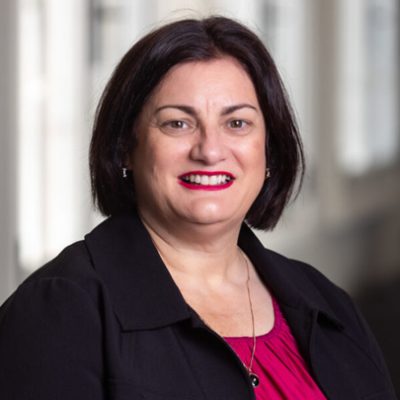
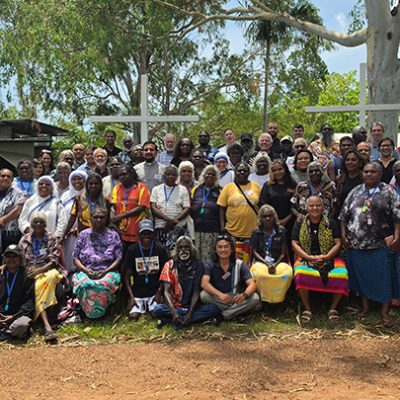
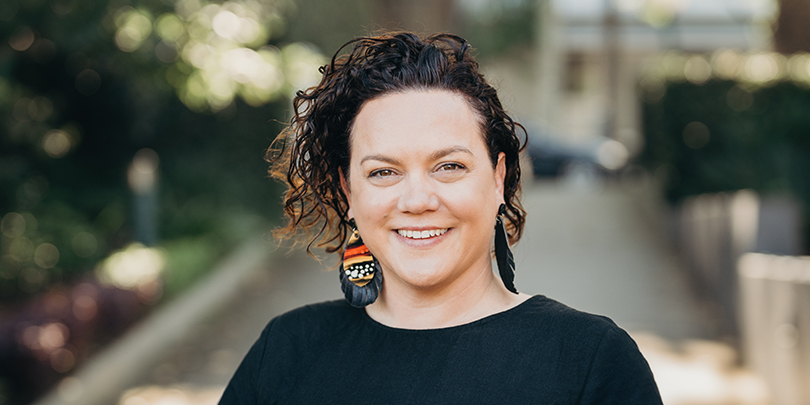
Australian Catholic University’s inaugural Pro Vice-Chancellor (Indigenous), Kelly Humphrey, shared her insights on the past five decades at the International Council on Education for Teaching (ICET) World Assembly 2026, being held this week at the ACU’s Melbourne campus.
The Gamileroi woman’s powerful reflection on the journey of Indigenous teachers over the past 50 years highlighted significant achievements and the ongoing work to build an equitable educational landscape that does not rely on “benevolence” but on genuine partnerships and a championing of Aboriginal and Torres Strait Islander students and staff.
“50 Years of Deadly is a celebration, absolutely, but it is also a challenge. It asks us, What will we be now so that, 50 years from today, our children aren’t asking for the same recognition, the same safety or the same justice,” she said.
Fifty years ago, many Indigenous families were still grappling with the direct impacts of past policies, including the Stolen Generations, Ms Humphrey said. “Our languages, knowledges and cultural practices were often dismissed by schools, universities and governments.”
“Yet our people continue to teach, speak, sing, paint, care, pass knowledge on. So, as we celebrate 50 years of Deadly, we’re honouring the people who stood up, organised, marched, taught, sang, painted, protested, gathered and kept culture strong in times when this country did not always want to see us, hear us or even count us.”
Her own family is an inspiring example of overcoming challenges. Her mother, who left school at 14, and her tradesman father instilled in her a passion for learning. She was the first in her family to attend university and is soon to achieve a doctorate. She also credits her education in Catholic schools with instilling in her a deep commitment to social justice and respect for the dignity of every person.
Looking at the landscape of education, Ms Humphrey said significant strides have been made for Indigenous teachers. In 1979, research identified only about 72 Indigenous teachers nationally. In 2020, that number had grown substantially to an estimated 6577 registered Indigenous teachers.
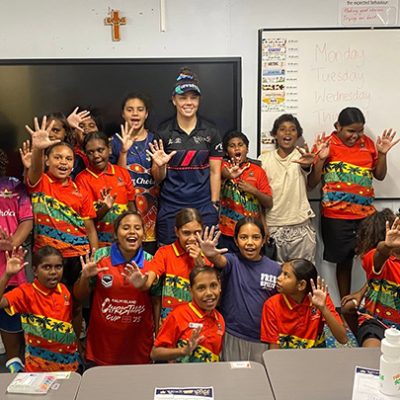
“So that’s a big shift,” Ms Humphrey said, “but we have more than 250,000 Aboriginal child development students in our schools, and they make up about 6 per cent of our students nationwide. So just like 50 years ago, First Nations teachers remain significantly under-represented in the workforce.”
“As we gather at this conference to talk about reclaiming the teaching profession, we must remember that our children need to see Aboriginal and Torres Strait Islander teachers not as exceptions, but as essential to life, leadership and the future of education.”
FULL STORY
Celebrating 50 Years of progress for Indigenous teachers (Melbourne Catholic)