More people chose to end their lives in New South Wales under the state’s voluntary assisted dying program than any other jurisdiction. Source: Sydney Morning Herald.
In the 12 months to the end of June this year, 1419 people died in NSW after administration of a voluntary assisted dying substance, an average of nearly four people per day and an increase of 38 per cent in the second full year of the state’s assisted dying program. NSW was the last state to introduce voluntary assisted dying.
The figures are contained in the NSW Voluntary Assisted Dying Board’s annual report, released on Monday.
Advocacy group Go Gentle’s chief executive Linda Swan said it was expected NSW would have the most people dying in this way, as it has the highest population.
In Queensland, 1082 people died during the same reporting period, a slightly larger proportion of that state’s population.
Victoria reported 780 deaths among people issued a permit, but 268 of those died without being administered a voluntary assisted dying substance. WA recorded 541 deaths.
The ACT’s program began operating last year and the Northern Territory’s will begin in 2028.
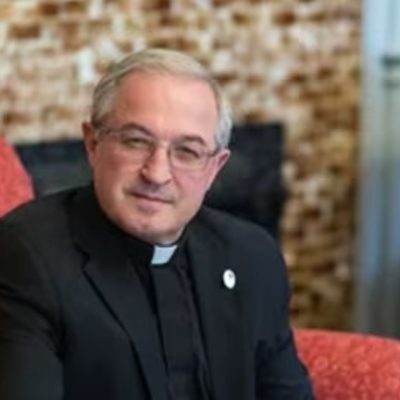
But the chief executive of Right To Life UK said the NSW figures were deeply alarming.
Alisdair Hungerford-Morgan urged against any expansion, calling for a review of the state’s system “including whether claimed safeguards in current legislation are protecting vulnerable people in practice”.
The state’s VAD board chair, Jenni Millbank, said the board advocates changing federal laws to remove “restrictions on the use of carriage services for steps in the voluntary assisted dying process”.
Because of a Federal Court ruling in 2023 that voluntary assisted dying is considered suicide, laws preventing the use of a carriage service (such as voice or video calls and emails) to incite or provide information about suicide have prevented doctors providing telehealth consults on euthanasia.
Labor Party members voted in July to amend the criminal code to allow telehealth assessments but also guaranteed MPs a conscience vote on the issue if it goes to Parliament.
Attorney-General Michelle Rowland cited concerns that changes could facilitate elder abuse and said it was “fundamentally a health policy issue”.
FULL STORY
NSW leads in voluntary assisted dying but telehealth barriers persist (By Jack Gramenz, Sydney Morning Herald)
National FREE 24/7 Crisis Services: • Lifeline 13 11 14 www.lifeline.org.au • Suicide Call Back Service 1300 659 467 www.suicidecallbackservice.org.au • Kids Helpline 1800 55 1800 www.kidshelpline.com.au • MensLine Australia 1300 78 99 78 www.mensline.org.au • Beyond Blue Support Service 1300 22 4636