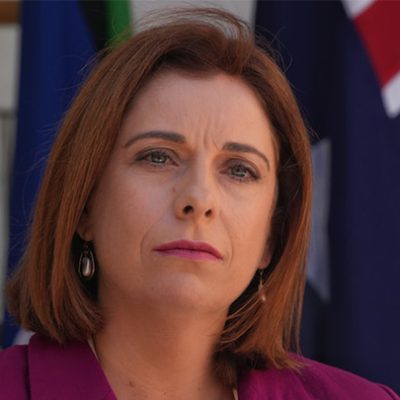
The medical and education records of more than 4000 children aged 10 to 16 will be monitored for more than two years as part of a major study evaluating the impact of Australia’s world-first under-16s social media ban on young people and their families. Source: The Age.
NAPLAN scores, Medicare information and Pharmaceutical Benefits Scheme records will be analysed by the eSafety Commissioner’s research and evaluation team alongside surveys, interviews and smartphone usage tracking data to determine if the Albanese Government’s signature policy is a success.
“[We’re] looking at some key things that I don’t think have been done before … this is social regulation meets tech regulation at its most complex,” eSafety Commissioner Julie Inman Grant said of the study, announced today.
“Are kids taking less Ritalin or fewer antidepressants, are they sleeping more or [is] the quality of their relationships better? All of this qualitative stuff that looks at families and children, individuals themselves that a legislative view would never contemplate.”
Age-restricted platforms in Australia have been required since December 10 to prove to eSafety that they have made reasonable steps to prevent under-16s from creating or holding accounts. Failure to comply risks a fine of up to $49.5 million.
Although Ms Inman Grant confirmed all 10 age-restricted platforms were in compliance with the legislation on January 16, and Prime Minister Anthony Albanese said more than 4.7 million accounts had been removed across all age-restricted platforms, reports of loopholes and stonewalling from platforms when circumvention was flagged by parents have sparked concerns that the law is a purely symbolic gesture.
But instant action, Ms Inman Grant said, is not the way technology regulation works “particularly when you’re talking about 10 of the largest and most powerful companies in the world being brought into a social experiment they don’t want to be part of, or do well… [because] then this will become the norm for them”.
Ms Inman Grant is liaising with government leaders from around the globe, including in the United Kingdom and France, who are looking to implement similar legislation in their own countries.
FULL STORY
Ritalin use, sleep quality, NAPLAN: How eSafety watchdog will know if the social media ban has worked (By Bronte Gossling, The Age)