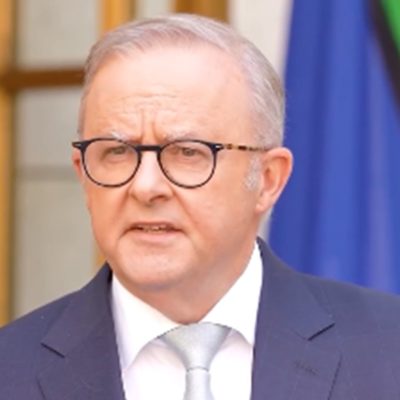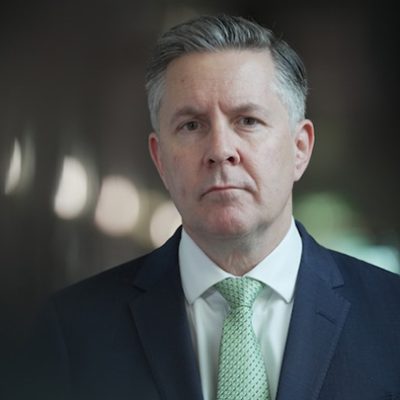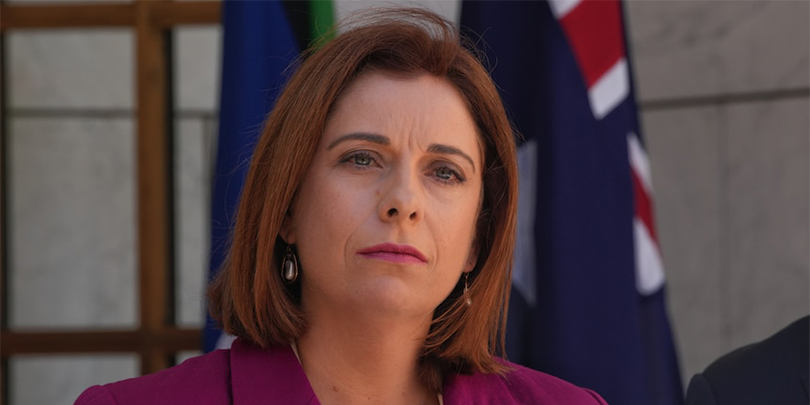
A sweeping power contained in Labor’s proposed Digital Duty of Care could hand Communications Minister Anika Wells and her successors a back door to regulate speech, leading legal academics and civil liberties advocates say. Source: The Australian.
Announced alongside the Albanese Government’s world-first social media ban for children, the proposed duty would require digital platforms and online services to take reasonable steps to remove content posing a “seriously harmful threat to public safety”.
In its consultation paper released in late May, the government stopped short of defining what constituted such content, instead identifying examples including image-based abuse, the promotion of violent extremism and child sexual exploitation material.
Crucially, the proposal also gives the communications minister – or eSafety Commissioner acting as the minister’s delegate – the power to designate additional categories and types of harm by issuing a ministerial direction, enabling future governments to broaden the laws without amending them.
Public law expert Suri Ratnapala, an emeritus professor at the University of Queensland, said the proposal’s “very wide terms” granted the minister “fairly untrammelled discretion” to designate other forms of harmful content, creating a significant risk for freedom of expression.
“It’s so widely cast, that power can be abused and misused for political purposes,” Professor Ratnapala said, noting that the mooted duty shared similar risks to Labor’s now aborted mis- and disinformation laws.
That view was shared by Liberty Victoria’s president Gemma Cafarella, who said despite the positive intent to keep Australians safe from genuinely harmful material, there was a “real risk” the laws could stifle legitimate free speech.
Peter Kurti, director of the Culture, Prosperity and Civil Society program at the Centre for Independent Studies, a centre-right think tank, said the minister’s ability to expand the scheme by delegating power to the eSafety Commissioner represented the policy’s “weak spot”.
“I think unelected bureaucrats do need to be accountable, certainly to parliament, in the way they exercise powers, and that can’t be left open-ended, either.”
Contacted about concerns that the duty could be employed to regulate speech, a spokeswoman for Ms Wells said the government was continuing to consult on the measure, which is slated to be introduced to Parliament later this year.
“Design of this important reform is under way to ensure the duty of care is effective in protecting Australians from online harms, while balancing considerations around privacy, freedom of speech and expression,” she said.
FULL STORY
ALP’s proposed digital duty ‘carries potential risks to free speech’ (The Australian)