A world-first international clinical trial aimed at determining the most effective dose of caffeine for very premature babies is set to begin in Australia’s coffee capital, Melbourne. Source: Mercy Health.
For decades, caffeine has been a cornerstone of care for very premature babies, helping them breathe and reducing the risk of serious complications.
Despite its widespread use around the world, clinicians still do not know what dose gives these vulnerable babies the best chance of survival and healthy development.
Led by Mercy Hospital for Women and the University of Melbourne, the BabyCCINO (Caffeine Citrate to Improve Neonatal Outcomes) trial will compare three caffeine citrate dosing regimens commonly used in neonatal units around the world. The findings are expected to inform future international treatment guidelines for very premature babies.
The goal of the BabyCCINO trial is to set a global standard for caffeine dosing, so every very premature baby around the world gets the dose that gives them the best chance to survive and thrive.
Brett Manley, director of neonatal research at Mercy Hospital for Women and professor of neonatal medicine and at the University of Melbourne, will lead the trial. He said that while it’s best known as a morning pick-me-up, caffeine is a vital medicine for our smallest and most vulnerable humans.
“The goal of the BabyCCINO trial is to set a global standard for caffeine dosing, so every very premature baby around the world gets the dose that gives them the best chance to survive and thrive,” Professor Manley said.
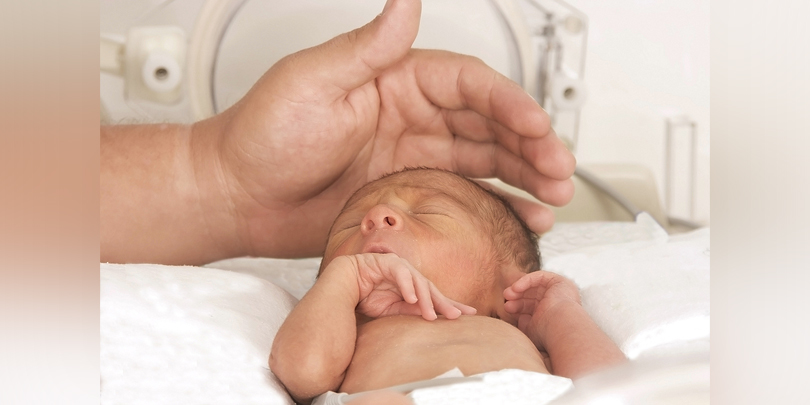
“Some of the babies we care for at Mercy Hospital for Women’s Neonatal Intensive Care Unit weigh less than 500 grams when they are born. To put that into perspective, that’s less than the weight of a typical block of chocolate. They are incredibly small, and their brains and lungs are still developing, so it’s very common for them to forget to breathe.”
Each pause in breathing, known as apnoea, can cause a baby’s oxygen levels and heart rate to drop, and frequent episodes put these fragile babies at greater risk of chronic lung disease and long-term developmental problems.
Caffeine citrate reduces these pauses, helping babies come off breathing support sooner and protecting their developing lungs and brains.
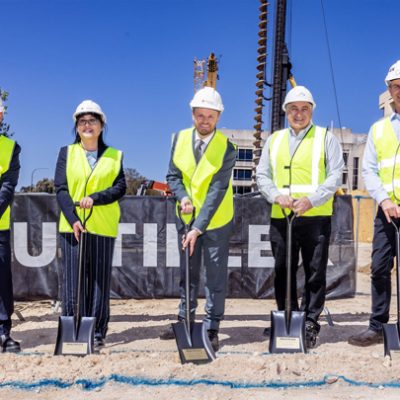
The BabyCCINO trial launched last week at Mercy Hospital for Women in Heidelberg, with the study expected to enrol about 3900 babies across Australia and New Zealand.
FULL STORY
World-first caffeine trial for premature babies launched at Melbourne’s Mercy Hospital for Women (Mercy Health)